Digestive issues are often silent disruptors. They creep in during busy mornings or late-night meals. One day, you feel fine. The next, your gut feels tight, sluggish, or bloated.
These are common experiences, yet many people push through them without seeking solutions. Here’s the truth: your digestive system isn't just about food processing. It's a central part of how your entire body functions.
If you're tired of gas, cramps, or unpredictable bathroom trips, you’re not alone. And no, you don’t need an expensive cleanse or trend-driven superfood.
Instead, what usually works best is a consistent, manageable routine. Real food. Real movement. Real habits. The body likes rhythm, and the digestive system thrives when it gets what it needs on time.
Let’s explore practical steps to make digestion smoother, gentler, and less of a daily battle.
Keep a High-Fiber Diet
Why It’s Your Gut’s Favorite Friend
Ask anyone in healthcare and they’ll tell you—fiber is the MVP of digestion. But why? It’s not just about “keeping things moving.”
Fiber plays several roles. It helps form solid stool, fuels good bacteria in the gut, and regulates blood sugar. But most importantly, it adds volume to your stool and encourages natural bowel movements.
There are two types of fiber. Soluble fiber dissolves in water and forms a gel-like consistency, which slows digestion just enough to absorb nutrients properly. Insoluble fiber, on the other hand, does the pushing. It gives stool its shape and keeps everything moving through your system.
You’ll find fiber in whole foods—vegetables, fruits, legumes, and grains. Think lentils, apples, spinach, oats, and brown rice. Eating a wide variety matters. Every plant provides slightly different fiber types, and your gut thrives on that diversity.
Fiber also feeds beneficial bacteria in your colon. These microbes produce substances like butyrate, which helps maintain the lining of your gut and prevents inflammation.
One important note: add fiber slowly. A sudden increase may lead to cramping or excess gas. Start small, drink enough water (more on that next), and give your body a few days to adjust.
Don’t Forget to Hydrate
A Dry Gut Is a Slow Gut
Water doesn't get enough credit when it comes to digestion. Yet without it, your gut doesn’t stand a chance.
Here’s the thing—fiber needs water to do its job. Soluble fiber soaks up fluids to create a smooth gel. Insoluble fiber pushes stool through the system. Without moisture, that stool becomes dry, hard, and painful to pass.
Think of your colon as a train station. If there’s no water, the trains (your stool) don’t leave on time. Everything backs up.
Staying hydrated also helps your body produce enough digestive juices—saliva, stomach acid, and bile—all of which help break down food.
A simple tip: drink a glass of water before or during meals. Another? Keep a refillable bottle at your desk or in your bag. You’d be surprised how often dehydration is the hidden cause of constipation.
Don’t just rely on thirst. By the time you feel it, you may already be behind. Aim for light yellow urine. That’s your body’s signal that hydration levels are good.
Avoid Constipating Foods
Know What Drags You Down
Your gut responds to what you feed it—and some foods make its job harder than others.
Processed meals often lack fiber and are loaded with additives or saturated fats. They slow digestion, bloat the stomach, and create discomfort. Ever felt sluggish after fast food? That’s your body telling you something.
Dairy can be another culprit. For people who are sensitive, even moderate amounts of cheese or milk lead to gas, cramps, or constipation.
White bread, pastries, chips, and other refined grains contain little to no fiber. They pass slowly and can clog your system over time.
No need to cut everything at once. That approach rarely lasts. Start with small changes. Swap white bread for whole wheat. Choose fruit over candy. Eat fewer fried meals per week.
Awareness is the first step. Listen to how your body reacts after different meals. If something makes you feel heavy, bloated, or irregular, it may be worth limiting.
Get Good Fat
Don’t Fear Fat—Just Pick the Right Kind
Fat is not the enemy. In fact, healthy fats are crucial to digestion. They help the body absorb fat-soluble vitamins (A, D, E, K) and promote bile release, which breaks down food in the intestines.
Think of bile as your gut’s soap. It helps emulsify fats and makes them easier to digest. Without enough fat, your body doesn’t produce much bile, and digestion slows.
Avocados, olive oil, nuts, seeds, and fatty fish are great sources. They’re easier on the system and packed with nutrients.
But keep portions in check. Too much fat in one sitting can delay stomach emptying. This leads to that “brick in your belly” feeling.
Add a spoon of olive oil to roasted vegetables. Eat a handful of almonds between meals. Include salmon in your dinner rotation.
Balance is everything. Your body will thank you.
Try Probiotics for a Happy Bowel
The Good Bugs That Keep Things Flowing
Your gut is home to trillions of bacteria. When these microbes are balanced, digestion runs smoothly. But when they’re off, things get complicated—bloating, irregularity, even skin or mood changes.
Probiotics introduce helpful bacteria into your system. Yogurt, kefir, sauerkraut, and kimchi are full of them. Some people also take supplements, but food-based sources are often better absorbed.
These good bacteria help digest food, produce nutrients, and keep bad bacteria in check. A healthy gut microbiome reduces inflammation and improves bowel regularity.
Prebiotics also matter. These are fibers that feed probiotics. Bananas, garlic, onions, and oats all contain them. You need both to maintain a healthy balance.
Changes aren’t instant. Give it a few weeks. Try different probiotic foods and see what works for your body.
Gut health isn’t just about digestion—it’s connected to your whole wellbeing.
Magnesium—Your Personal Plumber
A Mineral You Shouldn’t Overlook
Magnesium plays a quiet but powerful role in digestion. It helps relax muscles, including those in your intestines.
That matters because your intestines rely on contractions to push food and waste along. When those muscles tighten up too much, stool can get stuck. Magnesium helps loosen things up.
Some forms, like magnesium citrate, also draw water into the colon. That softens stool and makes it easier to pass. Think of it as a gentle plumber for your gut.
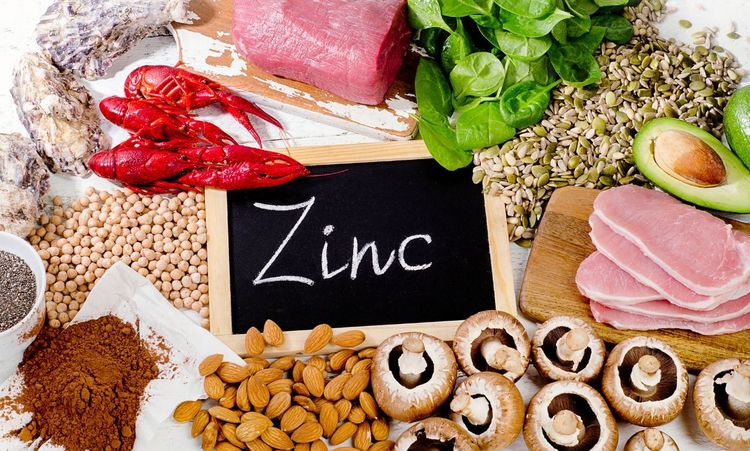
You can get magnesium from food—pumpkin seeds, almonds, spinach, black beans, and whole grains all offer good doses.
If you suspect a deficiency or are dealing with chronic constipation, a doctor may recommend a supplement. Start small. Too much can cause loose stools or cramping.
Get enough magnesium, and you might notice fewer struggles in the bathroom.
Eat Little and Often
Big Meals Aren’t Always Better
Large meals slow digestion. They demand more stomach acid, more bile, more energy. You might feel stuffed, heavy, or even sleepy afterward.
On the flip side, eating smaller meals throughout the day gives your system a break. It keeps blood sugar steady and helps avoid bloating.
I used to skip breakfast and overeat lunch. My afternoons were a mess—sluggish brain, tight stomach, no focus. Switching to smaller meals made a surprising difference.
Three balanced meals and one or two snacks may be ideal. Include protein, fiber, and healthy fats. That combo helps you feel full without feeling weighed down.
Smaller meals also help people with acid reflux or slow motility. Less volume means less pressure on the gut.
Listen to your hunger. Your body knows what it needs.
Move Your Body
Motion Helps Digestion, Too
You don’t need a gym membership to improve your gut health. Just move.
Physical activity speeds up the movement of food through your digestive tract. It also helps reduce gas and bloating. Even ten minutes of walking after meals can make a difference.
Sedentary routines slow everything down. If you sit most of the day, your digestive system slows with you.
Try standing every hour. Take short walks after eating. Yoga stretches like twists and gentle forward folds can massage your internal organs.
Movement also helps manage stress, which directly affects digestion. When you're anxious, your gut feels it—sometimes with cramps or an upset stomach.
Your gut was built to move when you move. Give it the chance.
Practice Regular Bathroom Habits
Routine Builds Rhythm
Your body likes routine. That includes bathroom habits.
Ignoring the urge to go can lead to harder stools and disrupted rhythms. Over time, your body gets confused.
Try setting aside time each morning. Sit comfortably. Don’t rush. Let your body do its thing.
Avoid straining. Breathe. Relax. Some people find that raising their feet slightly—using a small stool—helps align the colon and makes things easier.
Over time, a consistent schedule trains your system. It starts responding on its own.
Regular habits lead to regular results.
Conclusion
Improving digestion doesn’t require magic. It requires consistency.
Fiber, water, movement, and balanced meals form the foundation. Probiotics, magnesium, and routine support the rest.
Start small. Add a vegetable. Drink more water. Walk after dinner. Your gut doesn’t need perfection—it just needs steady care.
When you give your digestive system what it needs, it often responds faster than you’d expect.